
As South Sudan grapples with the aftermath of violent protests and looting, calls for justice, compensation, and stability are growing louder. The recent unrest, triggered by the brutal killings of South Sudanese civilians in Sudan’s Al Jazira State, has resulted in widespread destruction of businesses, loss of life, and a deteriorating security situation across multiple states. This crisis echoes the tragic events of 2005 when the death of Dr. John Garang sparked nationwide violence, causing similar devastation and displacement.
Learning from 2005: Justice Over Chaos
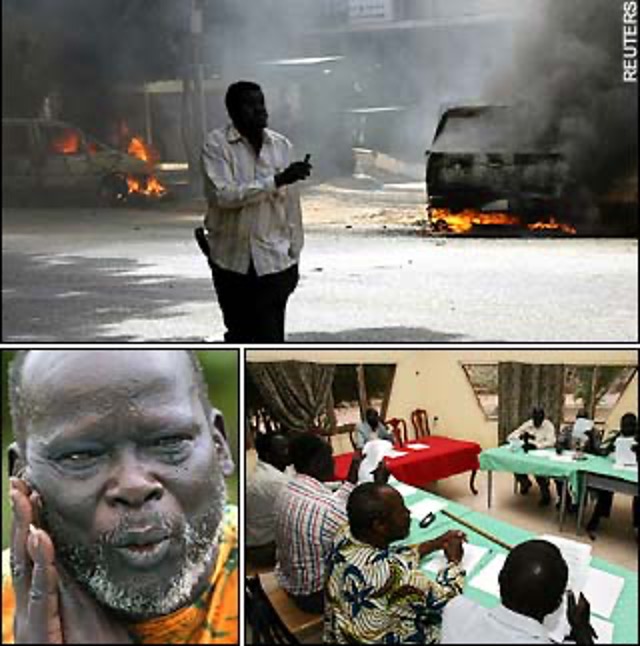
The death of John Garang sparked violence on the streets of Khartoum and confusion within the SPLM
The chaos following Dr. John Garang’s death serves as a stark reminder of how emotions can fuel destructive violence. Riots broke out across Sudan, leading to casualties and extensive property damage. Stability was eventually restored through government intervention, dialogue, international mediation, and compensation for affected businesses. These lessons should guide South Sudan’s response to the current crisis, ensuring that justice is pursued through legal channels rather than through destructive retaliation.
Government Response and Security Measures
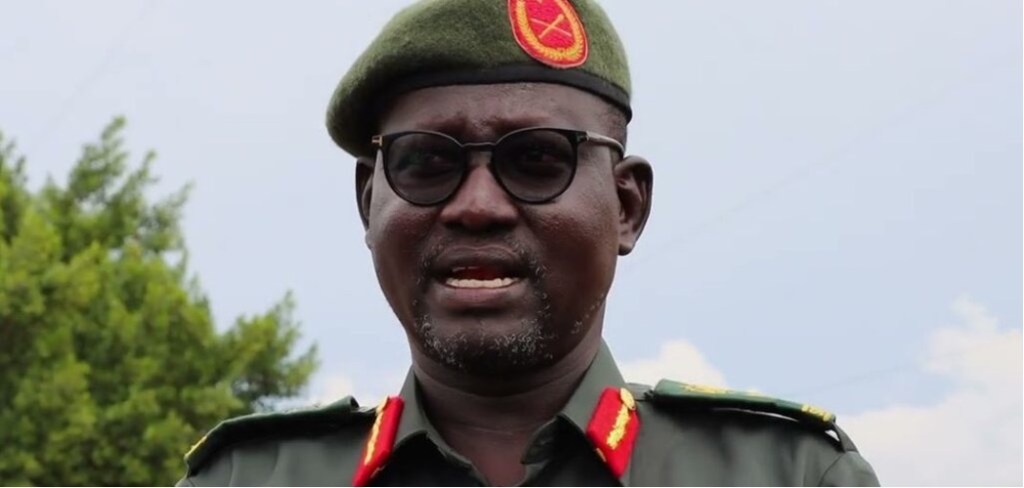
SPDF Spokesperson Maj. Gen. Lul Ruai Koang (Radio Tamazuj photo)
Authorities have taken swift action to curb the violence. The Ministry of Interior has confirmed the arrest of several individuals, including those in military uniforms, involved in looting Sudanese-owned shops. Meanwhile, Northern Bahr el Ghazal Governor Simon Ober Mawut has assured protection for Sudanese civilians seeking refuge in military barracks. President Salva Kiir has condemned the killings in Sudan as “barbaric” and urged restraint, emphasizing that innocent Sudanese refugees in South Sudan should not be targeted. A curfew from 6 PM to 6 AM is under consideration to maintain law and order.
Condemnation of Violence on Both Sides
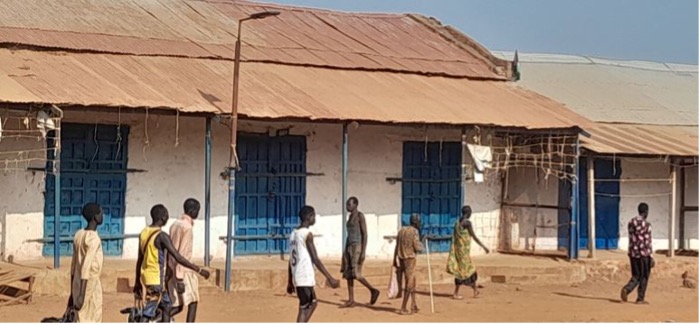
Pedestrians walk by empty shops in Wau Town on Friday. (Photo: Radio Tamazuj) January 17, 2025 WAU
While South Sudanese citizens have the right to protest against atrocities in Sudan, the descent into looting and criminality is deeply regrettable. Attacks on Sudanese traders undermine South Sudan’s economic fabric and create unnecessary animosity. Civil society activists and lawmakers have urged peaceful demonstrations instead of mob justice. International bodies, including the United Nations Mission in South Sudan (UNMISS), have also called for calm, warning that further violence will only exacerbate the humanitarian crisis.
Economic Devastation: The Toll on Businesses
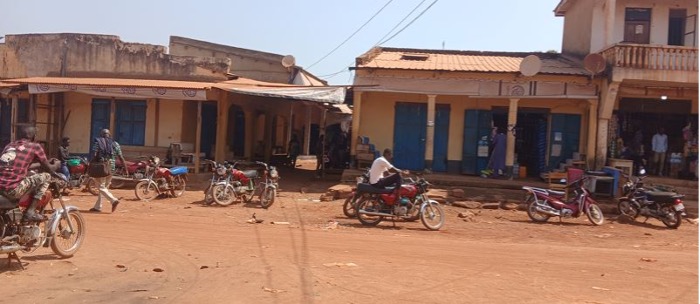
Boda-boda riders infront of shops in Yambio Town. (Photo: Radio Tamazuj) January 17, 2025 YAMBIO
The destruction of businesses, particularly Sudanese-owned markets like Konyo-Konyo and Custom, has dire economic consequences. These hubs supply over two-thirds of Juba’s commodities. Their destruction will cause food shortages and inflation, further straining ordinary South Sudanese. Additionally, South Sudan’s economy relies on Sudanese pipelines and ports to export oil—retaliatory violence jeopardizes vital trade routes and economic stability.
A Dangerous Precedent: Revenge Fuels More Violence
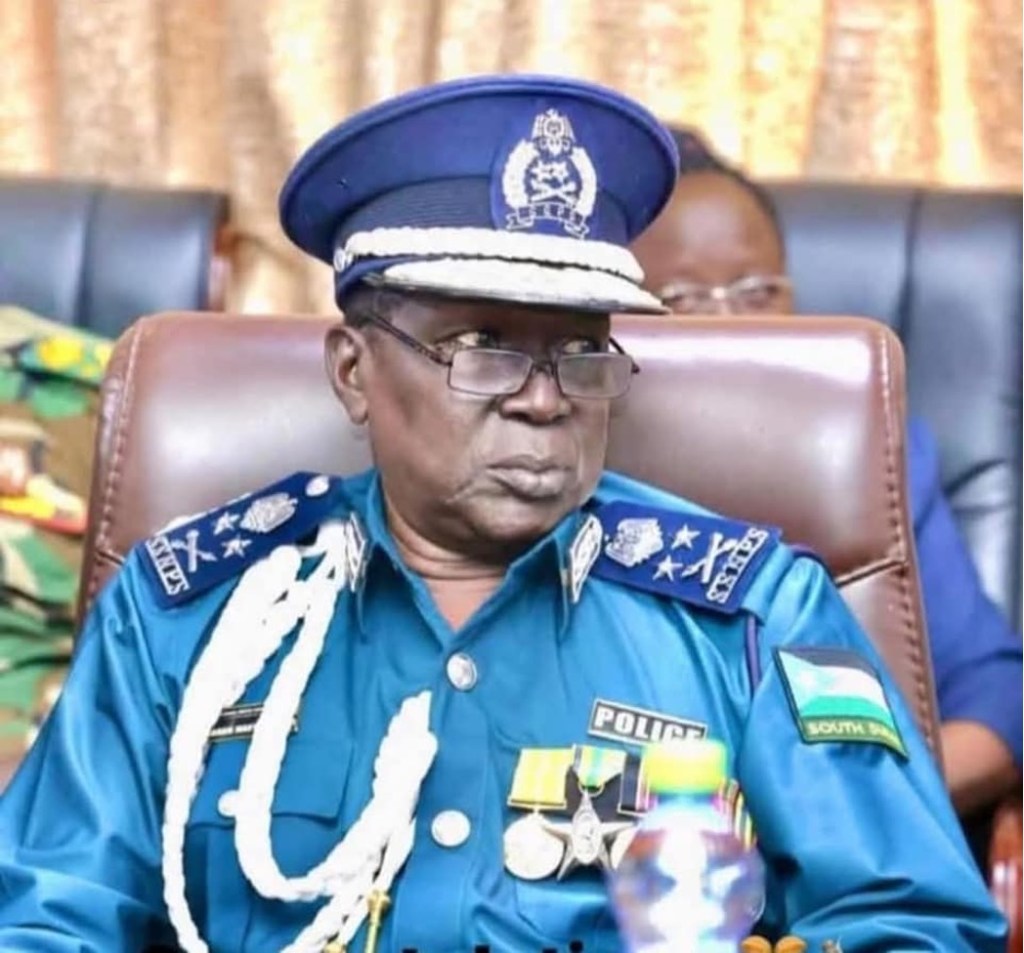
IGP Gen. Abraham Manyuat Peter. (Courtesy photo) January 17, 2025 JUBA CITY
Retaliation against Sudanese traders in South Sudan risks inciting further violence against South Sudanese living in Sudan. Thousands of South Sudanese in cities like Khartoum and Omdurman now fear for their safety. Revenge only perpetuates an endless cycle of violence, ultimately harming innocent civilians on both sides.
Urgent Calls for Compensation, Accountability, and Stability
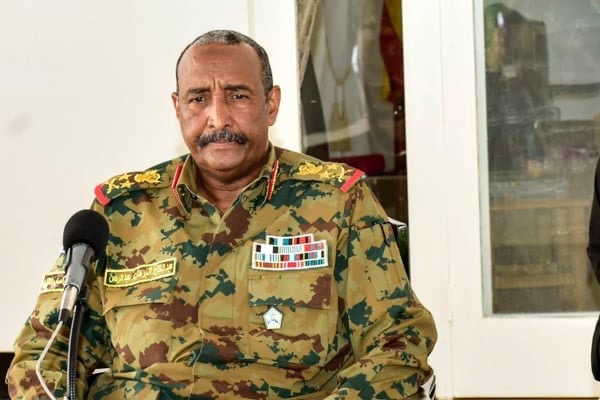
To prevent further chaos, both the South Sudanese and Sudanese governments must commit to:
- Compensation for Victims: Both South Sudanese affected by violence in Sudan and Sudanese traders whose businesses were destroyed in South Sudan must be compensated. This could be facilitated through government relief programs and international aid.
- Accountability for Perpetrators: The Sudanese Armed Forces (SAF) and allied militias must be held responsible for targeted massacres in Al Jazira State. Likewise, those who looted businesses in South Sudan must face justice.
- Economic Recovery Measures: The South Sudanese government should offer financial support or tax relief to affected business owners to help rebuild markets.
- Promotion of Peaceful Protests: Lawful demonstrations must be protected, ensuring that calls for justice are not overshadowed by criminal acts.
The Path Forward: Dialogue and Reconciliation
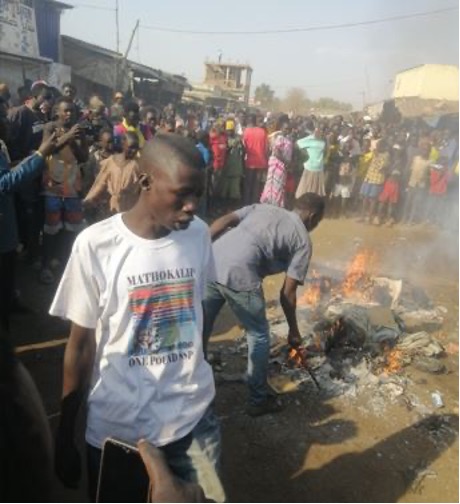
January 17, 2025 AWEIL
To de-escalate tensions, diplomatic engagement between South Sudanese and Sudanese leadership is essential. Mediation by regional bodies such as the African Union (AU) and the Intergovernmental Authority on Development (IGAD) can help ensure the protection of civilians while addressing grievances. Additionally, investment in community engagement and youth employment programs will curb the lure of violence and foster long-term peace.
Conclusion: A Plea for Peace
The unfolding crisis in South Sudan is a wake-up call. While the pain and anger over the killings in Sudan are justified, violent retaliation only worsens the situation. South Sudanese leaders must pursue justice through legal means while safeguarding those who seek refuge within their borders. Compensation for victims and business owners, along with a strong commitment to law and order, should be top priorities.
South Sudan has endured decades of conflict—it must not be dragged back into chaos. The nation’s future depends on unity, economic stability, and adherence to the rule of law. The time for healing is now. Justice, not revenge, will lead to lasting peace. Let us rebuild, not destroy.
 Vantage Points
Leave a comment