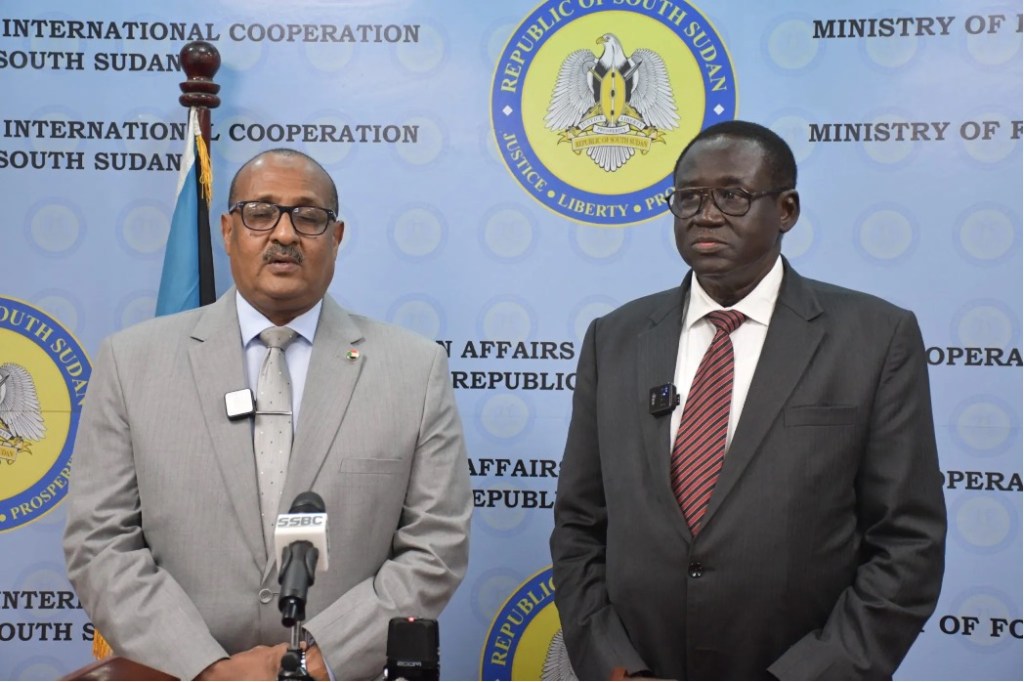
The brutal war in Sudan has once again claimed innocent lives, with South Sudanese civilians caught in the deadly crossfire. Reports of targeted killings and atrocities perpetrated by the Sudanese Armed Forces (SAF) and their allies have sent shockwaves through the region. As tensions escalate, the role of diplomacy in resolving this crisis has never been more critical.
Historical Background of the Conflict
The conflict in Sudan erupted in April 2023 following a bitter power struggle between the SAF and the Rapid Support Forces (RSF). This war has since spiraled into one of the world’s most devastating humanitarian crises, with millions displaced and thousands killed. The fighting, initially confined to Khartoum, has spread across the country, with recent hostilities engulfing Gezira State. The recapture of Wad Madani by SAF marked a significant turning point, but it also raised allegations of mass atrocities.
South Sudan’s Diplomatic Response
South Sudan’s Ministry of Foreign Affairs has acted swiftly, summoning the Sudanese ambassador to protest the killing of its citizens. The government has demanded accountability, emphasizing the need for Sudan to protect civilians, irrespective of their nationality. This diplomatic approach is a necessary step to ensure the safety of South Sudanese residing in Sudan and to prevent further hostilities between the two nations.
The Role of South Sudanese in the Conflict
Accusations have surfaced that South Sudanese fighters are involved in the conflict, with reports suggesting that some have been recruited as mercenaries by the RSF. These claims, while yet to be independently verified, have fueled tensions between Juba and Khartoum. The South Sudanese government must take decisive action to prevent its nationals from being drawn into a war that threatens regional stability.
Alleged Targeted Killings: Causes and Consequences
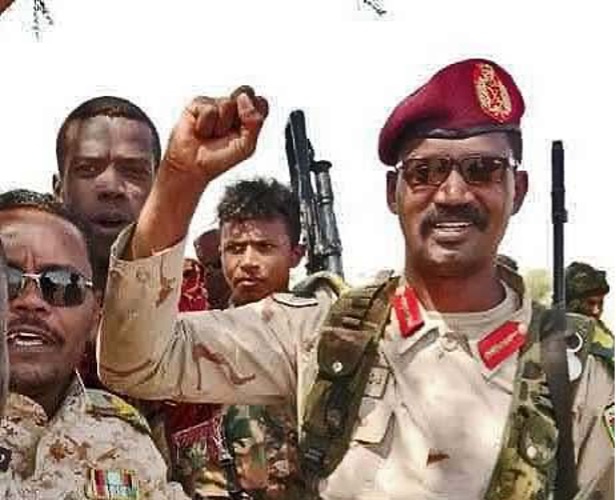
Sudan Shield Forces commander Abu Agla Keikel
The killing of South Sudanese civilians in Gezira has been described as deliberate and ethnically motivated. A Sudanese rights group reported that at least 13 people were massacred in Camp Taiba, while social media videos depict gruesome executions. If proven true, these targeted killings could amount to war crimes. The consequences of such actions are dire, risking wider regional destabilization and retaliatory violence.
International Outcry and Calls for Accountability
The international community has condemned the atrocities. The United Nations’ humanitarian chief in Sudan, Clementine Nkweta-Salami, expressed grave concerns over these attacks. The US Special Envoy for Sudan, Tom Perriello, labeled the reports “appalling” and called for immediate investigations. The US is reportedly considering imposing sanctions on Sudan’s military leadership, including General Abdel Fattah al-Burhan.
Calls for Revenge and the Dangers They Pose
In South Sudan, anger over the killings has sparked calls for retaliation. However, engaging in revenge attacks would only exacerbate an already volatile situation. Instead, South Sudanese leaders must channel their grievances through diplomatic channels, ensuring that Sudan is held accountable without resorting to further bloodshed.
The Economic Imperative of Diplomacy
Beyond the humanitarian toll, Sudan remains a crucial economic partner for South Sudan. The landlocked country depends on Sudan’s infrastructure to export its crude oil via the oil pipeline passing through Sudan. A breakdown in diplomatic relations could cripple South Sudan’s economy, further impoverishing its citizens. Thus, a peaceful resolution is not just desirable but essential for economic stability.
Burhan’s Pledge for Accountability
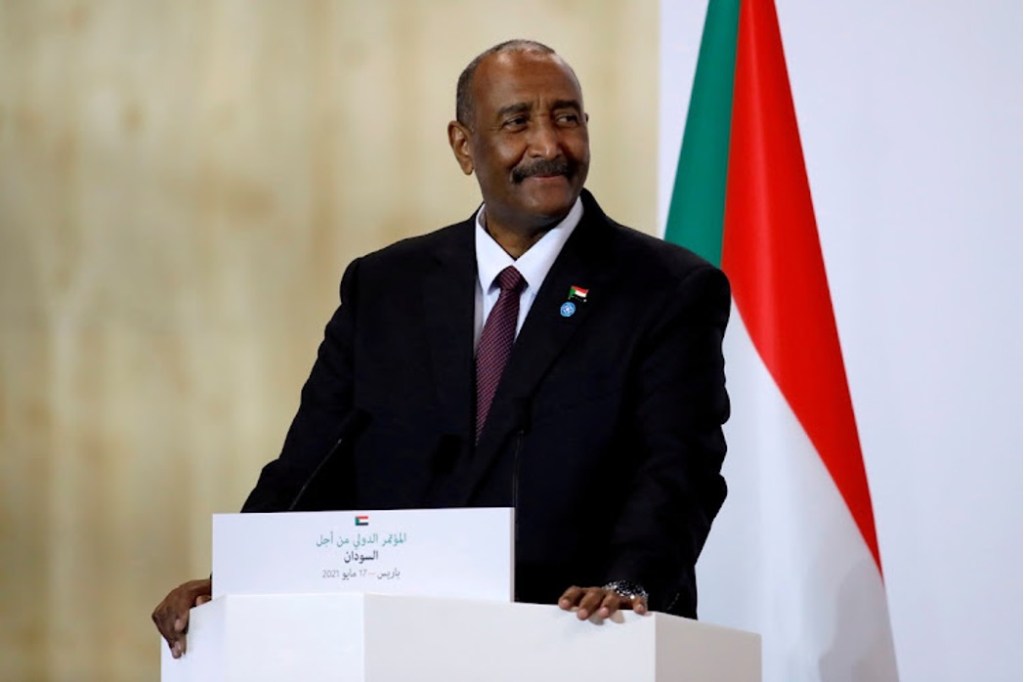
Sudanese leader and army chief Abdel Fattah al-Burhan. File photo.
Image:REUTERS/ Sarah Meyssonnier/Pool
In response to the outcry, General Burhan has established a committee to investigate the alleged killings in Gezira. However, for this initiative to be credible, it must be independent, transparent, and backed by international oversight. Sudan’s reputation and its relations with neighboring nations hinge on ensuring that those responsible are held accountable.
What South Sudan Should Do
Rather than pursuing retaliation, the South Sudanese government must:
- Strengthen diplomatic engagement with Sudan to protect its citizens.
- Demand an impartial international investigation into the atrocities.
- Prevent South Sudanese fighters from being recruited into Sudan’s war.
- Continue providing humanitarian assistance to Sudanese refugees in South Sudan.
What Sudan Must Do to Restore Order
For Sudan to regain control and credibility, its leadership must:
- Hold perpetrators of war crimes accountable, regardless of their affiliation.
- Cease targeting civilians and protect all non-combatants.
- Engage in meaningful negotiations to end the war.
- Allow international human rights monitors to assess the situation on the ground.
Lessons from International Precedents
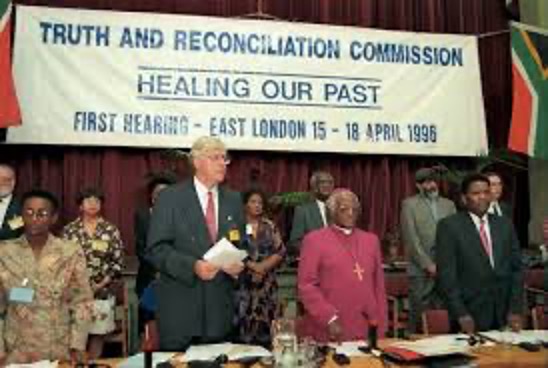
Global history provides examples of similar crises that were resolved through diplomacy rather than violence. The South African Truth and Reconciliation Commission post-apartheid and the Dayton Accords that ended the Bosnian War are key examples of how justice and reconciliation can coexist. Sudan must learn from these models to ensure a sustainable peace.
Conclusion
The killings of South Sudanese civilians in Sudan are a tragic reminder of the war’s devastating toll. While the anger and grief are justified, revenge is not the solution. Both South Sudan and Sudan must prioritize diplomacy over hostilities. Sudan’s leadership must act decisively to hold perpetrators accountable, while South Sudan should continue to push for a peaceful resolution. Only through accountability, dialogue, and cooperation can both nations emerge from this crisis with dignity and stability intact.
 Vantage Points
Leave a comment