By Paul Taban
The highways and byways of South Sudan are more than mere thoroughfares; they are lifelines for a nation striving to emerge from decades of conflict and underdevelopment. Chief among these arteries is the Juba-Nimule Road, a crucial 192-kilometer stretch that connects the capital to Uganda and serves as South Sudan’s primary link to the regional and global economy. However, years of neglect, substandard construction, and insecurity have turned this vital route into a perilous challenge for traders and travelers alike.
Importance of National Roads in South Sudan
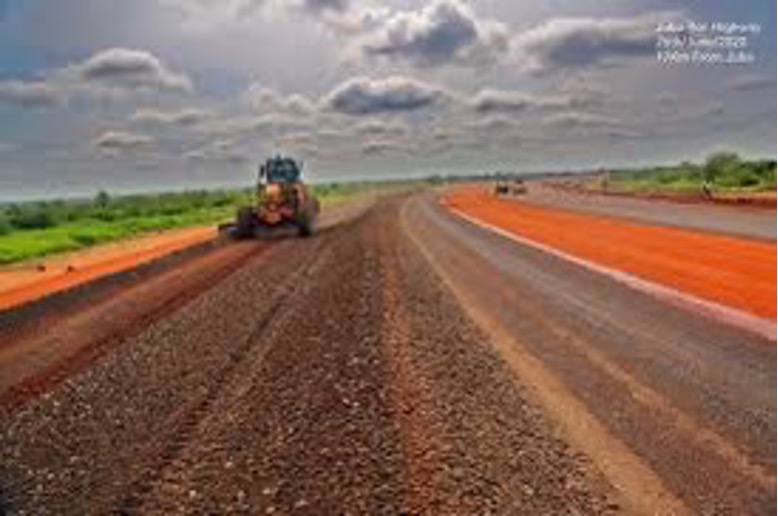
Roads are the backbone of any nation’s infrastructure, enabling commerce, access to essential services, and connectivity. In South Sudan, where over 75% of the population relies on subsistence farming, functioning roads are critical for transporting goods to markets, accessing humanitarian aid, and fostering economic growth. The Juba-Nimule Road, for instance, has been a lifeline for the entire nation since its paving. It slashes travel time between Juba and Nimule from eight hours to less than three and provides the most efficient route to the Indian Ocean port of Mombasa.
Government Mandates and Maintenance Gaps
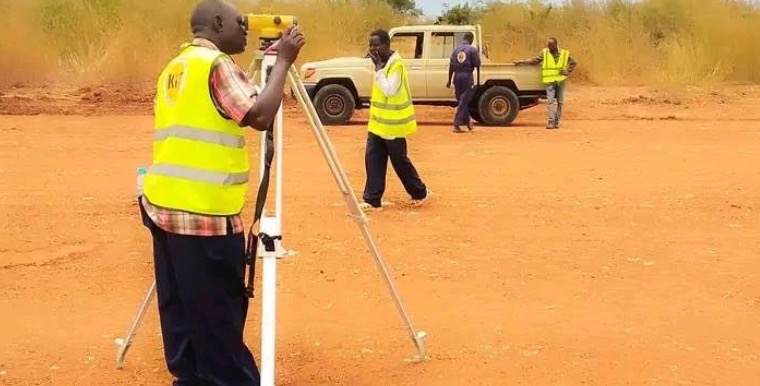
The national government bears the mandate to construct and maintain vital road infrastructure, yet it has struggled to fulfill this responsibility. Chronic underfunding, poor governance, and corruption have left many of South Sudan’s roads in disrepair. The state governments, tasked with supplementary maintenance, have similarly fallen short, often citing a lack of resources and technical expertise.
A Case Study in Failure: USAID and Substandard Construction
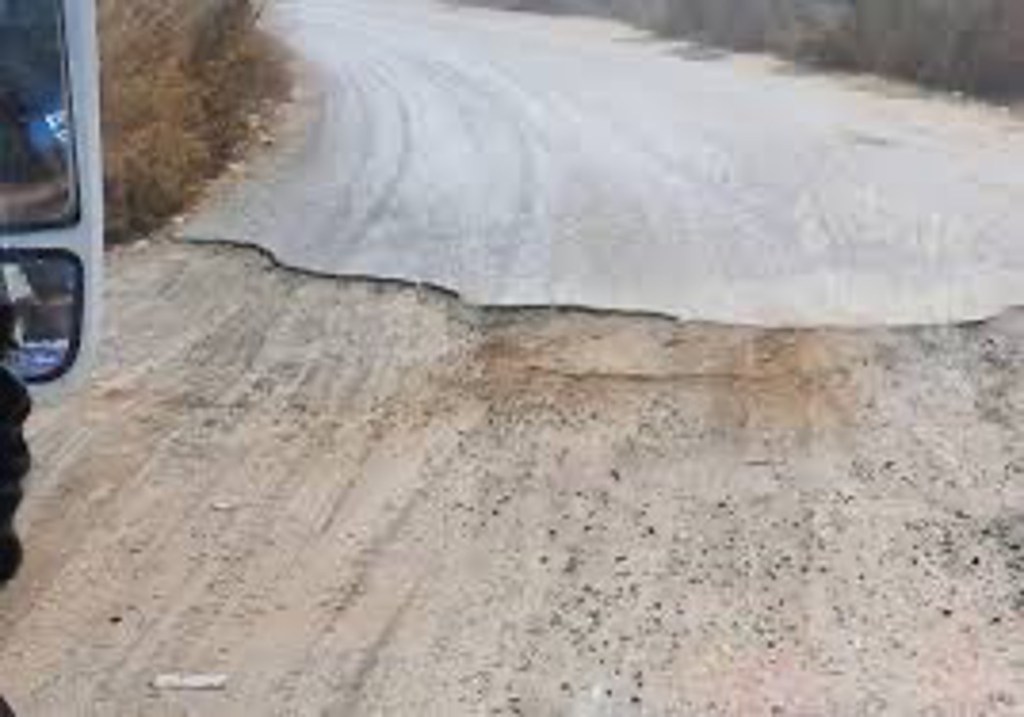
The Juba-Nimule Road, funded by USAID and completed in 2012, was hailed as a landmark project. Costing USD 225 million and involving contractors such as the Louis Berger Group, the road was expected to set a standard for future projects. Yet, less than a decade later, this road has deteriorated significantly. Potholes and erosion plague its surface, making travel hazardous and costly. The use of substandard materials and lack of quality oversight have undermined the project’s longevity, a stark reminder of the need for accountability and stricter regulations.
Holding Contractors Accountable
The era of accepting mediocrity in road construction must end. Contractors who deliver substandard roads must be held accountable through legal and financial penalties. Additionally, South Sudan must prioritize engaging local contractors who have a vested interest in the durability of their work. Building local capacity not only ensures accountability but also creates jobs and strengthens the economy.
Roads as Tools for Humanitarian and Economic Survival
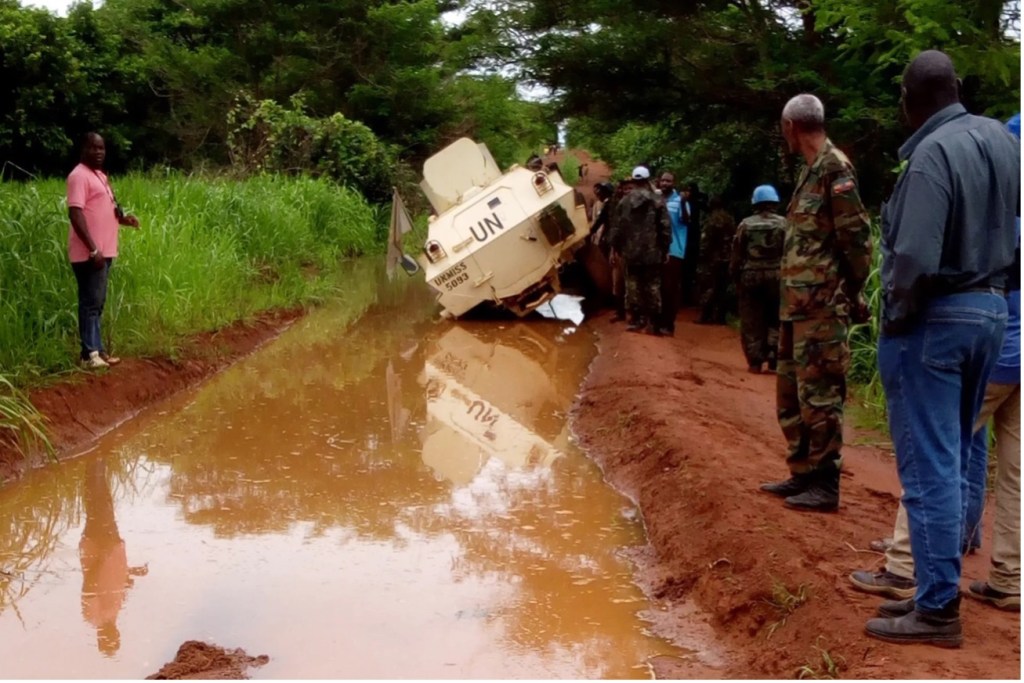
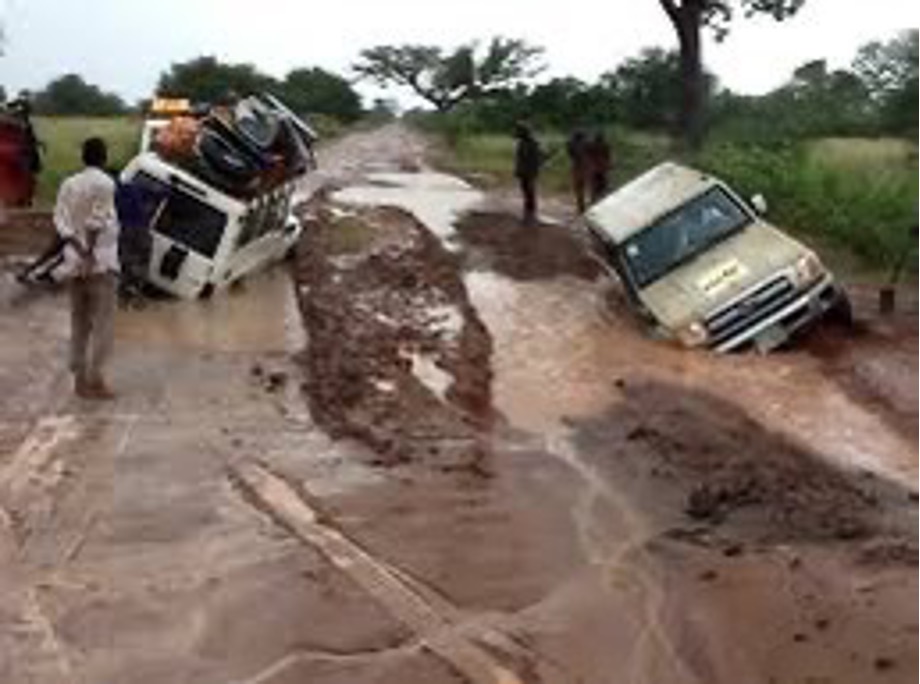
South Sudan’s precarious food security underscores the critical role of road infrastructure. Poor roads isolate rural farmers from markets, limiting their ability to sell surplus produce and perpetuating cycles of poverty. Moreover, during the rainy season, over 70% of roads become impassable, cutting off communities from life-saving humanitarian aid. The impact on healthcare, education, and economic opportunities is profound.
The Menace of Illegal Checkpoints
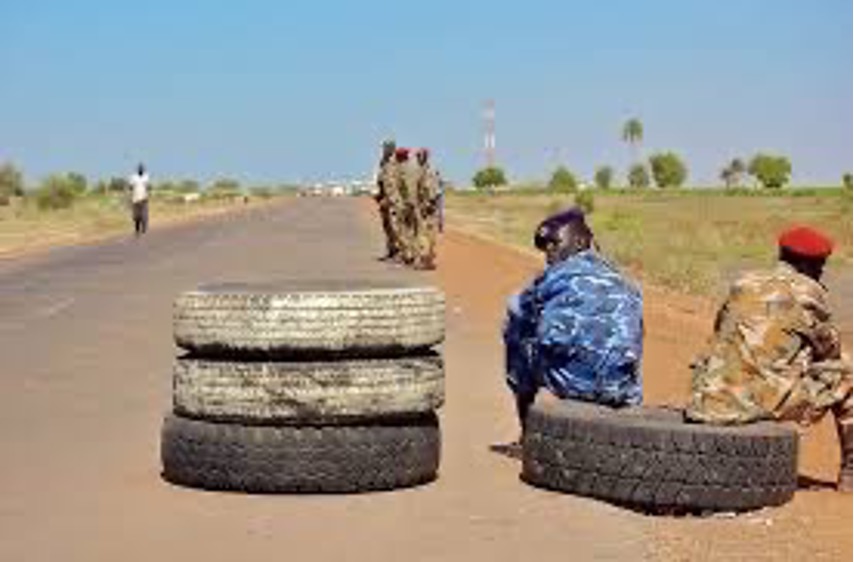
Illegal checkpoints exacerbate the challenges on South Sudan’s roads. Traders and travelers are often forced to pay bribes, inflating transportation costs and, by extension, the prices of goods in local markets. A 100-kilometer journey can involve as many as 20 extortion points, discouraging trade and deterring investment.
Lessons from International Contexts
Countries like Kenya and Rwanda illustrate the transformative power of robust road networks. Kenya’s 10,000-kilometer paved road system has bolstered its position as East Africa’s economic hub, while Rwanda’s focus on feeder roads has dramatically improved rural access to markets and services. South Sudan must draw inspiration from these examples and prioritize the development of a comprehensive, well-maintained road network.
Recommendations for a Way Forward
- Increased Investment:Both the national and state governments must allocate greater resources to road construction and maintenance.
- Public-Private Partnerships:Collaborations with private entities can mobilize additional funds and expertise.
- Local Contractor Engagement:Building capacity among South Sudanese contractors ensures sustainable development and economic empowerment.
- Regular Maintenance:Establishing routine maintenance schedules and allocating funds specifically for this purpose are essential to preserving road infrastructure.
- Security Measures:Enhanced security along major routes, including the deployment of patrol units, can mitigate the risks of ambushes and illegal checkpoints.
South Sudan’s roads are more than pathways; they are lifelines that connect communities, foster economic growth, and save lives. Investing in this critical infrastructure is not merely a necessity but an imperative for the nation’s survival and prosperity. The time to act is now.
 Vantage Points
Leave a comment