Historical Conflict Background
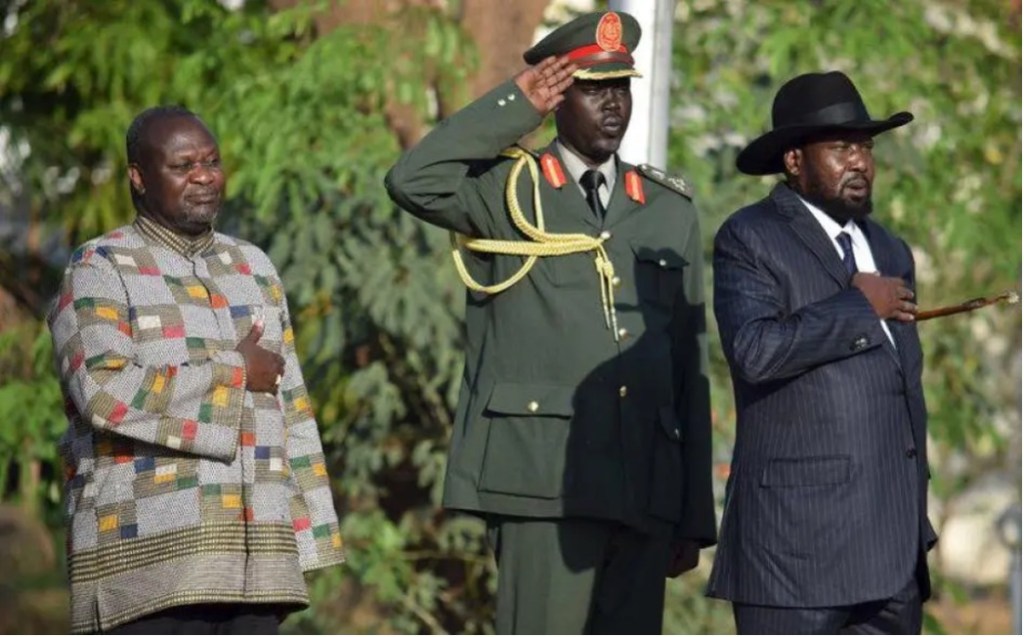
South Sudan’s turbulent history is rooted in decades of conflict. After gaining independence from Sudan in 2011, hopes were high for a new beginning. However, internal political divisions quickly escalated into civil war in 2013, pitting government forces against opposition groups and militias. Despite the 2018 peace deal, the country’s fragile stability remains threatened by unresolved grievances, intercommunal violence, and the spillover effects of the recent conflict in neighboring Sudan.
Effects of the Conflict on the Population
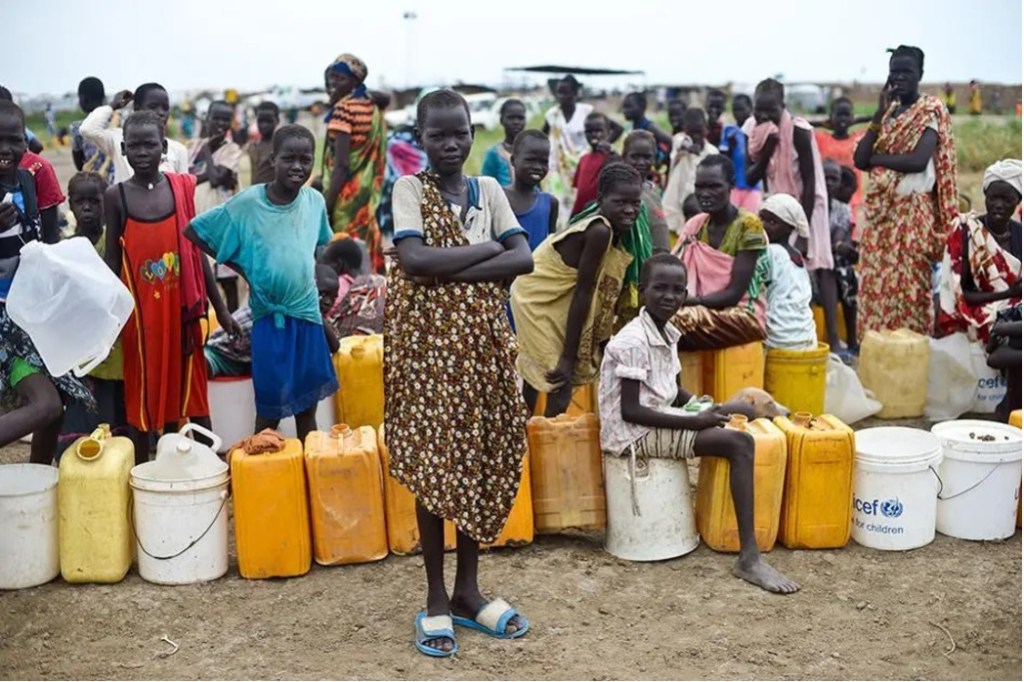
The war has left an indelible scar on the nation’s people. Schools were destroyed, forcing children into the streets where many turned to begging, crime, or prostitution. Girls as young as 12 have been exploited, while boys have joined gangs with names like “Niggars” and “Toronto” that thrive on robbery and violence. Rampant poverty and displacement have fueled drug addiction, further destabilizing communities. Once revered, South Sudanese women now face unprecedented levels of violence and exploitation, reflecting a deep societal breakdown.
Long-Term Implications on Population
The future looks grim if current trends continue. The rise of armed gangs, entrenched drug abuse, and the disintegration of family structures threaten to create a society where violence and lawlessness become the norm. These children—neglected, uneducated, and traumatized—could grow into adults who perpetuate the cycle of conflict and poverty, turning against their families and communities.
The Future of South Sudan
South Sudan’s path forward must focus on rebuilding trust, fostering unity, and addressing the root causes of its conflicts. Economic development, inclusive governance, and social cohesion are essential to breaking free from its violent past. However, these goals require immediate and sustained investment in education, healthcare, and infrastructure.
How the Government Can Help
The government must prioritize rebuilding educational infrastructure, providing vocational training, and creating job opportunities. Effective law enforcement and anti-corruption measures are essential to restore public trust. Additionally, policies that promote gender equality and protect women and children from violence must be enacted and enforced.
Truth and Reconciliation Commission
A Truth and Reconciliation Commission (TRC) is critical to addressing the deep-seated grievances dividing South Sudan. Modeled on successful examples from South Africa and Rwanda, the TRC should focus on truth-telling, reparations, and fostering forgiveness. It must engage all communities, ensuring that ethnic divisions do not undermine its effectiveness.
Effects on Communities Divided Along Ethnic Lines
Ethnic divisions have fueled cycles of revenge and violence. Entire communities have been displaced, and mistrust runs deep. Healing these divides requires targeted reconciliation programs, equitable resource distribution, and community-led peacebuilding initiatives.
Communal Violence, Rapes, and Kidnapping
The war’s legacy includes widespread communal violence, sexual exploitation, and kidnappings. Women and children bear the brunt of these atrocities, underscoring the urgent need for justice and robust support systems for survivors.
Gang Violence
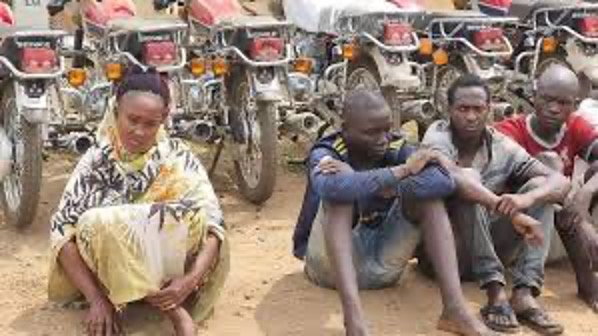
The rise of gang violence has destabilized urban centers. Addressing this requires a dual approach: providing economic opportunities for at-risk youth and ensuring that law enforcement agencies are equipped to dismantle criminal networks.
Role of Elections as a Solution
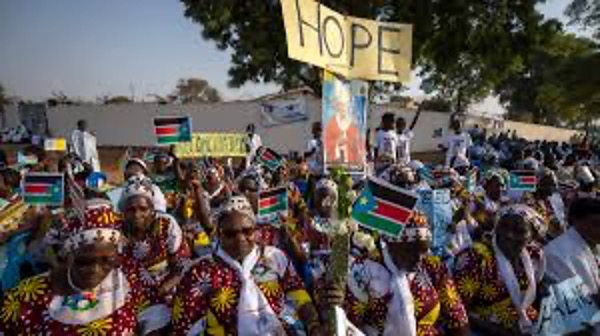
Transparent and inclusive elections are pivotal for South Sudan’s democratic transition. The government must ensure that the postponed elections scheduled for 2026 are free, fair, and reflective of the people’s will. Election monitoring by independent bodies is crucial to prevent violence and ensure credibility.
Role of the International Community
International actors, including the Troika (United States, United Kingdom, Norway), UN, and NGOs, play a vital role in supporting South Sudan’s recovery. Their efforts must focus on humanitarian aid, conflict resolution, and capacity-building for local institutions. However, these efforts must prioritize sustainability and avoid fostering dependency.
Personal Opinion
South Sudan’s challenges are immense, but they are not insurmountable. As a nation, we must confront our past, embrace reconciliation, and invest in our youth. Neglecting these children risks creating a “beast” that will haunt us for generations. The government, civil society, and international community must act decisively to address the root causes of our suffering. Only by doing so can we transform South Sudan from a land of despair into a beacon of hope for its people and the world.
 Vantage Points
Leave a comment